 EN
EN

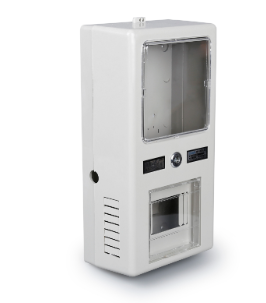
Fuses Replace in Breaker Box Key Risks to Avoid
When circuit breakers inside distribution enclosures trip frequently or sustain permanent damage many facility managers and residential users choose to fit ordinary fuses as a quick temporary fix. This shortcut reduces immediate power interruption troubles yet introduces a series of long term invisible electrical risks that threaten property safety and personal well being. Certified electrical practitioners and international standard organizations consistently warn against random fuse substitution within pre assembled breaker boxes as the structural design of modern distribution cabinets matches modular circuit breakers rather than discrete fuse components. This article combines years of field inspection records IEC recognized low voltage electrical specifications and real world renovation cases to unpack core hidden dangers of improper fuse replacement and share clear operational rules to steer clear of preventable accidents.
Mismatched Current Rating Triggers Persistent Overload Hazards
IEC published standards for low voltage power distribution set clear matching rules between overcurrent protection devices and internal circuit wiring capacity. Circuit breakers installed inside standard breaker boxes adopt calibrated thermal magnetic trip mechanisms that activate once current exceeds safe carrying limits of connected cables. Fuse components rely on thin metal strips to melt under sustained overload and many users select fuses with higher rated current values to avoid repeated blowing. Oversized fuses stay intact while wires absorb excessive heat for extended cycles the continuous high temperature softens internal insulation layers and builds up heat trapped inside closed cabinet cavities. Unlike reusable breakers that reset automatically after cooling fuses offer no automatic recovery function and leave circuits unprotected for hours or days until manual replacement. This mismatch between fuse rating and wire load creates slow burning fire hazards that rarely show obvious warning signs in daily routine inspections.
Unprotected Leakage Paths Bring Hidden Electric Shock Threats
Modern integrated breaker boxes reserve dedicated installation positions for residual current protection modules that monitor tiny unbalanced leakage current across live and neutral lines. These built in modules cut power supply instantly when leakage reaches levels dangerous for human contact. Independent fuse units added to breaker box circuits cannot connect with leakage detection hardware and lack any function to identify residual current flow. In humid service zones such as hotel bathroom suites school shower facilities and factory cleaning workshops minor insulation aging generates constant low level leakage that never reaches the melting threshold of standard fuses. Global electrical safety inspection agencies release unified reminders that circuits protected solely by fuses lose the last layer of defense against accidental electric shock especially for commercial spaces with high pedestrian flow and frequent water contact equipment.
Real Maintenance Case Shows Consequences Of Random Fuse Replacement
Electrical service technicians accumulate abundant first hand observation data from regular overhaul work for commercial distribution systems. A typical case comes from a multi floor retail shopping mall whose maintenance team replaced multiple tripping socket circuit breakers with generic cartridge fuses to resume power supply quickly during weekend peak customer hours. After several weeks of continuous operation routine safety checks found severe black carbon traces on fuse base terminals and partial melting of cable insulation near the modified cabinet sections. The mall team removed all temporary fuse fittings and reinstalled matched modular breakers with integrated leakage protection. Subsequent monthly inspections recorded no abnormal heat buildup or terminal oxidation for the same circuit loops. This real renovation experience proves that casual fuse replacement delivers short term convenience while generating costly hidden damage that demands full cabinet disassembly and cable replacement in later stages.
Improper Installation Weakens The Whole Distribution Box Protection System
Even when users select fuses with theoretically matching current specifications irregular installation steps will degrade the overall protective performance of complete breaker box assemblies. The most widespread installation error involves loose terminal screws that create high resistance contact points between fuse bodies and internal wiring loose connections generate consistent heat during normal load operation and amplify temperature spikes during short circuit events. Mixing standalone fuses and original circuit breakers without clear loop marking creates confusion for later maintenance staff who cannot distinguish which protection component serves each independent circuit. Many makeshift modifications remove original insulating baffles inside the cabinet to make space for additional fuse holders exposed live metal parts raise arc flash risks during sudden short circuit surges. Professional electrical engineering guidance requires full cabinet disassembly and standardized re wiring for any protective component replacement to maintain original safety isolation structures.
Full Range Standardized Distribution Hardware Supports Safe Circuit Renovation
Users undertaking circuit protection upgrades or full distribution box replacement need reliable manufacturers offering complete compliant enclosure series matched to standard modular breaker layouts. Gooant holds more than thirty years focused manufacturing experience dedicated to galvanized steel distribution boxes low voltage meter cabinets and auxiliary electrical fittings. The factory develops over two thousand distinct product specifications covering surface mount flush mount semi plastic all metal and full plastic enclosures each finished unit passes systematic wind tunnel heat testing and electrical safety verification before shipment. Equipped with automated sheet metal production lines independent design teams and cross border logistics coordination groups Gooant delivers customized cabinet solutions for residential hotel office shopping mall and industrial plant power distribution projects. All product lines comply with internationally recognized quality audit frameworks and provide consistent long term supply of properly sized breaker boxes to eliminate safety risks caused by mismatched fuse and cabinet combinations.
Table of Contents
- Fuses Replace in Breaker Box Key Risks to Avoid
- Mismatched Current Rating Triggers Persistent Overload Hazards
- Unprotected Leakage Paths Bring Hidden Electric Shock Threats
- Real Maintenance Case Shows Consequences Of Random Fuse Replacement
- Improper Installation Weakens The Whole Distribution Box Protection System
- Full Range Standardized Distribution Hardware Supports Safe Circuit Renovation