EN
EN

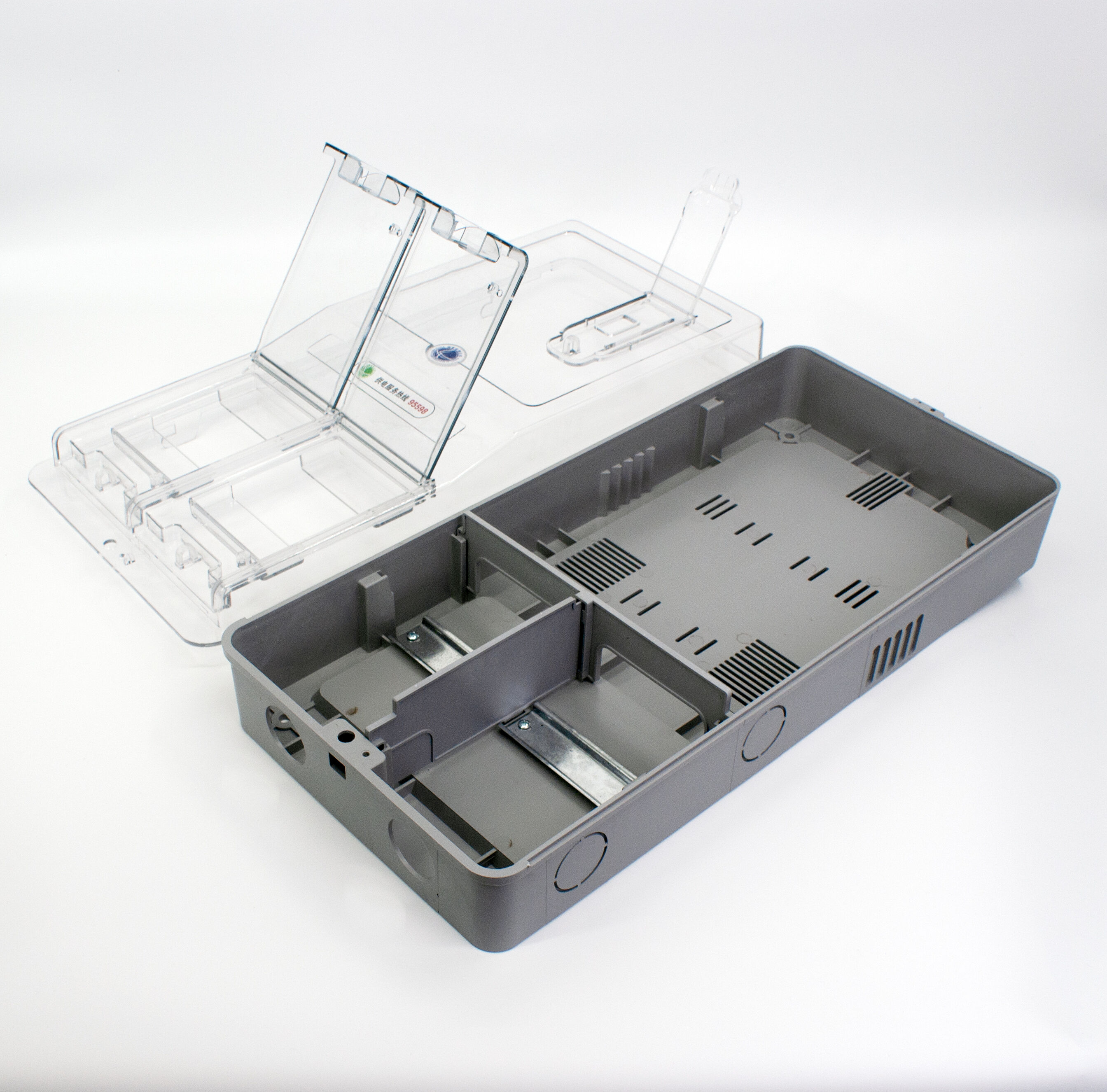
Core Safety Functions of an Electrical Enclosure Box
Physical Isolation to Prevent Electric Shock and Arc Flash
Electrical enclosure boxes serve as a critical physical barrier between live components and personnel or environmental hazards. This isolation prevents accidental contact with energized conductors—mitigating electric shock, a leading cause of workplace fatalities in industrial settings per OSHA incident data. Robust enclosures also reduce arc flash risk by containing explosive energy from short circuits. High-impact polycarbonate or stainless steel models rated for fault current withstand (tested to IEC 61439-2) maintain structural integrity during such events. Integrated grounding lugs safely channel fault currents away from personnel, while seamless gasketing and reinforced hinges preserve isolation under high-vibration conditions.
Thermal and Flame Containment Using Rated Materials
Enclosures actively manage thermal and fire risks through certified materials and engineered thermal control. Metallic options like galvanized steel and aluminum alloys efficiently dissipate heat, while UL 94 V-0 rated polycarbonate provides inherent flame resistance—preventing external ignition and containing internal flames during faults. NEMA 250 Type 4X enclosures, for example, are validated to withstand 1,358°F (735°C) for 30 minutes without rupture. Passive ventilation baffles and integrated heat sinks further stabilize internal temperatures, delaying insulation degradation that can trigger arc faults. This combination transforms enclosures from passive housings into dynamic safety systems.
Safety-Critical Enclosure Ratings: IP, NEMA, and UL Explained
IP Ratings: How Dust and Water Ingress Prevention Supports Long-Term Safety
Ingress Protection (IP) ratings use a two-digit code to quantify resistance to solids (first digit, 0–6) and liquids (second digit, 0–9). An IP54 rating blocks limited dust ingress and splashing water—ideal for indoor industrial use—while IP67 ensures dust-tightness and temporary immersion resistance up to 1 meter, making it suitable for outdoor or washdown environments. By excluding contaminants, IP-rated enclosures reduce short circuits, corrosion, and insulation breakdown—enhancing long-term reliability and lowering maintenance costs. Selecting the appropriate IP rating is essential: over-specification increases cost unnecessarily; under-specification compromises safety and compliance.
NEMA and UL Standards: Testing Rigor and Real-World Hazard Mitigation
NEMA standards evaluate performance beyond ingress protection—assessing resistance to corrosion, ice formation, oil, and coolant exposure. NEMA 4 enclosures withstand hose-directed water and ice accumulation; NEMA 6P models support submersion and marine-grade corrosion resistance. UL certification adds independent validation of electrical safety, fire resistance, and mechanical durability—including UL 94 flame testing for material flammability. These standards ensure enclosures perform reliably not just in labs, but under real-world operational stress. The table below highlights key distinctions:
| Standard | Focus | Typical Use Case |
|---|---|---|
| IP (IEC) | Dust and water ingress | Global, general-purpose environments |
| NEMA | Environmental hazards + corrosion, ice, oil | North America, harsh industrial and outdoor |
| UL | Safety, fire resistance, performance testing | North America, code-compliant installations |
Selecting enclosures that meet both NEMA and UL requirements satisfies building codes, insurance mandates, and best-practice safety margins.
Enabling Human-Centric Safety Protocols: LOTO and Access Control
Tamper-Resistant Design and Seamless Lockout/Tagout Integration
Effective lockout/tagout (LOTO) depends on enclosure design that supports safe, reliable energy isolation. Tamper-resistant features—including integral padlock hasps, interlocked door mechanisms, and standardized labeling—enable workers to securely de-energize and verify isolation before servicing. These built-in controls minimize human error and strengthen compliance with OSHA 1910.147. Rather than functioning as passive containers, LOTO-integrated enclosures become active safety tools—ensuring power cannot be restored until all locks are removed and verification is complete.
Material Integrity and Environmental Resilience as Foundational Safety Factors
Material integrity determines whether an enclosure sustains its protective function over time. Corrosion, UV degradation, or impact damage can compromise structural stability—potentially exposing live parts or failing during arc events. Specifying materials with proven resilience—such as corrosion-resistant coatings or UV-stabilized polymers—is essential to preserving arc containment, shock protection, and long-term reliability.
Steel, Polycarbonate, and Fiberglass: Matching Material Performance to Hazard Context
The right material aligns with site-specific hazards. Steel delivers superior impact resistance in heavy-industrial zones but requires corrosion mitigation in humid or saline environments. Polycarbonate offers chemical resistance and visual transparency for rapid inspection, while fiberglass excels where non-conductivity and extreme corrosion resistance are critical—such as coastal or chemical processing facilities. A 2023 industrial safety study linked material-environment mismatches to 42% of preventable electrical incidents. Prioritizing resilience—like salt fog resistance for marine applications—not only extends service life but ensures uninterrupted safety performance.
Frequently Asked Questions (FAQ)
What is the main purpose of an electrical enclosure box?
Its primary role is to physically isolate live electrical components from the environment and personnel, preventing electric shocks, arc flashes, and other hazards while ensuring safe operation over time.
What does the IP rating mean for enclosures?
The IP rating measures the enclosure's resistance to dust and water ingress. For example, an IP67 rating ensures complete dust-tightness and protection against temporary water immersion.
Why are NEMA and UL standards important?
They provide rigorous testing validation for specific conditions like corrosion, fire resistance, and mechanical durability, ensuring the enclosure's performance in harsh industrial environments.
How do tamper-resistant designs enhance safety?
Integrated features like padlock hasps and interlocked doors enable secure energy isolation during lockout/tagout processes, reducing human error and ensuring compliance with safety regulations.
Which materials are best for electrical enclosures in coastal areas?
Fiberglass and corrosion-resistant coated metals are ideal because they offer superior resistance to salt fog and humidity, preserving the enclosure's functionality and longevity.