EN
EN

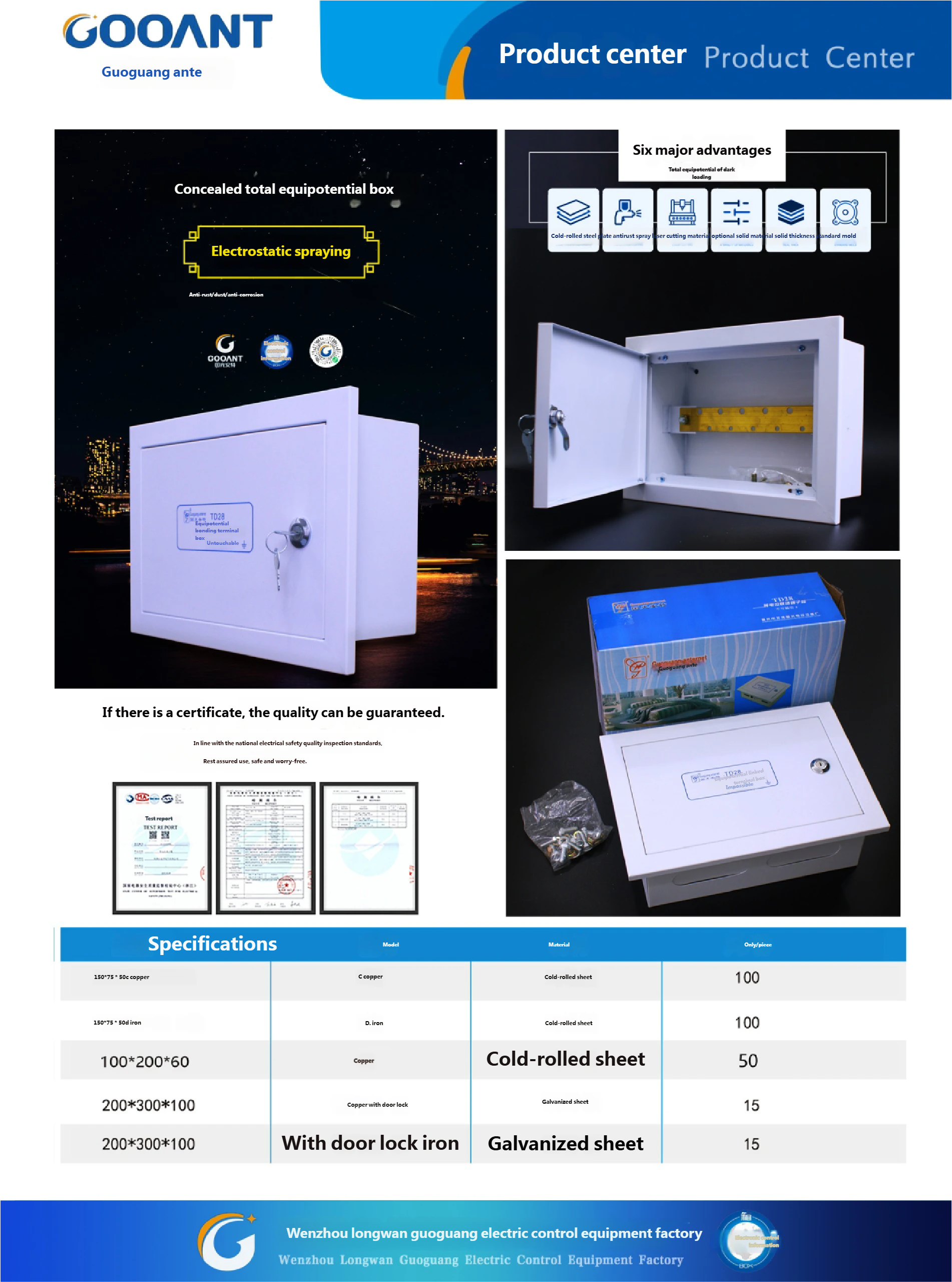
Core Reliability Challenges in Electrical Power Distribution Box Systems
Aging Infrastructure and Environmental Stressors Driving Failure Rates
Electrical power distribution boxes degrade steadily under thermal cycling, moisture ingress, and mechanical vibration. After 10+ years of service, internal corrosion, embrittled insulation, and compromised seals become common—diminishing fault-isolation capability. Environmental stressors like extreme temperature swings, UV exposure, and salt-laden coastal air accelerate this deterioration. In construction zones or agricultural settings, dust and water ingress clog ventilation paths and create unintended conductive paths, increasing short-circuit risk. These compounding factors push failure rates well beyond design expectations, compelling utilities to replace or refurbish assets prematurely.
Cascading Impacts: How Electrical Power Distribution Box Failures Disrupt Grid Resilience
A single distribution box failure can cascade across the grid when fault isolation fails. Uncontained downstream faults propagate upstream, tripping adjacent feeders and expanding outages far beyond the initial point of failure. This domino effect strains restoration resources, prolongs interruptions, and directly compromises critical infrastructure—including hospitals, traffic control systems, and municipal water pumps. Economic losses mount rapidly from business downtime, perishable goods spoilage, and emergency repair costs. Repeated incidents also erode public trust and invite regulatory pressure for infrastructure modernization. Proactive identification and mitigation of weak points—before failure occurs—are essential to preserving system-wide resilience.
Hardware Upgrades to Enhance Electrical Power Distribution Box Reliability
Intelligent Reclosers and Trip Savers for Rapid Fault Isolation
Intelligent reclosers and trip savers are now central to minimizing outage duration in modern distribution systems. These automated devices detect transient faults—such as lightning strikes or momentary tree contact—then open and reclose the circuit within seconds. If the fault clears, power resumes automatically; if not, the device locks out and alerts crews. In overhead networks, this approach reduces permanent outage frequency by up to 80%. Trip savers, deployed on lateral branches, coordinate with upstream reclosers to isolate only the affected segment—keeping the remainder of the feeder energized. Their adaptive logic adjusts to real-time load conditions, preventing nuisance fuse operations. When integrated with remote communication modules, they enable precise fault location, slashing patrol time and accelerating restoration. The result is a more responsive, self-healing distribution tier that sustains continuity during severe weather events.
Enclosure Hardening and Strategic Undergrounding to Reduce Exposure Risks
Robust physical protection is foundational to long-term reliability. Modern enclosures built from flame-retardant ABS+PC composites or powder-coated steel withstand UV radiation, wide temperature ranges (–40 °C to +55 °C), and mechanical impact. An IP65 or IP66 rating ensures full protection against dust and water jets—key defenses against internal corrosion and flashovers. For high-risk locations—coastal zones, wildfire-prone areas, or urban corridors—strategic undergrounding of cables and vaults eliminates exposure to wind, ice, falling branches, and vehicle collisions. Though upfront costs run three to five times higher than overhead alternatives, undergrounding delivers dramatic reliability gains: failure rates drop to roughly 10% of equivalent overhead systems. Paired with hardened enclosures, targeted undergrounding forms a durable, future-proof defense against environmental degradation—supporting decades of dependable operation.
Data-Driven Maintenance and Smart Integration for Long-Term Reliability
Condition Monitoring Sensors and Predictive Analytics in Electrical Power Distribution Boxes
Today’s distribution boxes move beyond calendar-based maintenance through embedded IoT sensors that monitor temperature, humidity, vibration, and current load in real time. Streaming this data to centralized analytics platforms enables machine learning models to detect subtle anomalies—like a conductor trending warmer than baseline—well before insulation failure or arcing occurs. Shifting from reactive or fixed-interval maintenance to predictive strategies cuts unplanned downtime by up to 50% and extends asset life. Utilities gain the ability to prioritize interventions based on actual condition—not arbitrary schedules—reducing unnecessary truck rolls, optimizing spare parts inventory, and improving crew efficiency.
| Approach | Trigger | Impact on Reliability |
|---|---|---|
| Reactive | Failure occurs | High downtime, emergency costs |
| Preventive | Fixed interval | Misses random failures, over-servicing |
| Predictive | Real-time sensor data | Fault anticipated, minimal disruption |
Integrating these sensors into existing SCADA or AMI communications infrastructure requires modest investment—but delivers outsized returns in avoided outages, lower lifecycle maintenance costs, and improved SAIDI/SAIFI performance.
Balancing Investment and Outcomes: Cost-Benefit Insights for Utilities
Utilities must rigorously evaluate capital investments in distribution box upgrades—not just against upfront cost, but across the full asset lifecycle. A robust cost-benefit analysis (CBA) should weigh hardware expenses (e.g., intelligent reclosers, hardened enclosures, sensor networks) against quantifiable operational savings: reduced customer minutes lost (CML), lower SAIDI/SAIFI values, fewer emergency repairs, deferred equipment replacements, and avoided regulatory penalties. For example, while upgrading a feeder’s distribution boxes may require significant initial outlay, the resulting improvement in service continuity directly boosts customer satisfaction scores and strengthens regulatory compliance posture. Similarly, predictive maintenance capabilities—though requiring sensor deployment and analytics platform integration—deliver strong ROI by preventing catastrophic failures and stretching asset lifespans. Ultimately, strategic investment decisions must align with broader grid resilience goals, ensuring each dollar spent advances reliability, efficiency, and long-term operational sustainability.
FAQ
What are the common reliability challenges in electrical power distribution boxes?
Common reliability challenges include thermal cycling, moisture ingress, mechanical vibration, and the impacts of extreme temperatures, UV exposure, and environmental contaminants like dust and salt-laden air.
How can intelligent reclosers and trip savers improve distribution box performance?
Intelligent reclosers and trip savers minimize outage durations by detecting and isolating faults. These devices ensure only the affected segments are de-energized, maintaining power in unaffected areas and enabling faster restoration.
What role do predictive maintenance practices play in grid resilience?
Predictive maintenance utilizes IoT sensors and machine learning to identify potential failures before they occur. This approach reduces unplanned downtime and enhances the lifespan of critical assets, minimizing disruptions.
Why is strategic undergrounding considered cost-effective in the long run?
Despite high upfront costs, strategic undergrounding significantly reduces failure rates by protecting cables and vaults from environmental stressors, ensuring reliable long-term operation.
How does cost-benefit analysis help utilities decide on upgrades?
Cost-benefit analysis evaluates upfront hardware costs against long-term savings from reduced downtimes, lower maintenance needs, improved reliability indices, and deferred replacement costs, ensuring strategic investments align with overall resilience goals.
Table of Contents
- Core Reliability Challenges in Electrical Power Distribution Box Systems
- Hardware Upgrades to Enhance Electrical Power Distribution Box Reliability
- Data-Driven Maintenance and Smart Integration for Long-Term Reliability
- Balancing Investment and Outcomes: Cost-Benefit Insights for Utilities
-
FAQ
- What are the common reliability challenges in electrical power distribution boxes?
- How can intelligent reclosers and trip savers improve distribution box performance?
- What role do predictive maintenance practices play in grid resilience?
- Why is strategic undergrounding considered cost-effective in the long run?
- How does cost-benefit analysis help utilities decide on upgrades?