 EN
EN

What a Motor Terminal Box Is Actually For
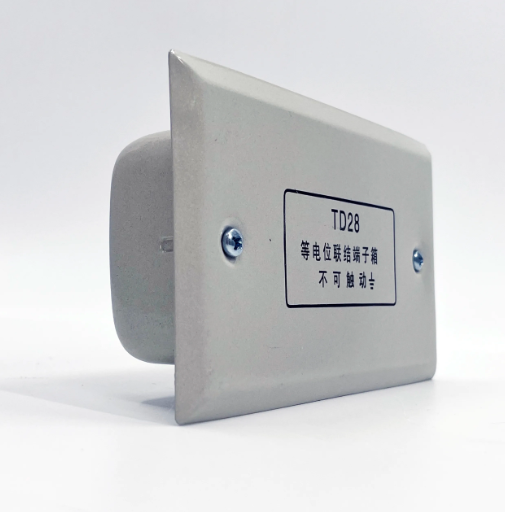
A motor terminal box is the enclosure where the motor winding leads meet the incoming power cable. It is not a complex assembly, but it has to do several things well. It has to provide a secure electrical connection, protect that connection from the environment, and allow maintenance access without disturbing the motor itself. The box also serves as the mounting point for cable glands, which means it determines the ingress protection of the whole connection. Getting the type right matters because the wrong box leads to overheating, moisture ingress, or difficulty during maintenance. The choice usually comes down to the motor frame size, the environment, and the type of cable being used.
Cast Iron Boxes and Where They Still Make Sense
Cast iron has been used for motor terminal boxes for a long time, and it remains a solid choice for heavy duty applications. The material is strong, dimensionally stable, and resistant to impact. It handles high temperatures well, which matters on motors that run hot. Cast iron also provides good protection against corrosion when properly coated, though it is heavier than alternatives. The main drawback is weight and cost. A cast iron box adds mass to the motor, which can matter in applications where weight is a concern, and it costs more than sheet metal options. For large industrial motors in demanding environments, cast iron is often the default, and for good reason.
Sheet Steel and Galvanized Options for General Use
Sheet steel boxes, particularly galvanized versions, are widely used for standard motors in general industrial settings. They are lighter than cast iron, cost less, and can be fabricated into a range of shapes and sizes. Galvanized sheet offers good corrosion resistance because the zinc coating protects the steel underneath. The limitation is mechanical strength. Sheet steel dents more easily than cast iron and may not hold up as well in high vibration applications. The table below compares the main enclosure types.
| Enclosure Type | Mechanical Strength | Corrosion Resistance | Weight | Relative Cost | Typical Application |
|---|---|---|---|---|---|
| Cast iron | High | Good with coating | Heavy | High | Large industrial motors |
| Galvanized sheet steel | Moderate | Good | Light | Low to medium | General industrial motors |
| Aluminum | Moderate | Good | Light | Medium | Weight sensitive applications |
| Stainless steel | High | Excellent | Moderate to heavy | High | Corrosive environments |
| Composite or plastic | Low to moderate | Excellent | Light | Medium | Washdown, chemical exposure |
The pattern is that each material trades strength, weight, corrosion resistance, and cost against the others. There is no single best choice for every application.
Ingress Protection and Environmental Ratings
The IP rating on a motor terminal box tells you what it can withstand. For most indoor industrial settings, IP54 or IP55 is adequate, protecting against dust and water spray. For outdoor or washdown environments, IP65 or IP66 is the practical minimum. In applications where the motor may be submerged or exposed to heavy water flow, IP67 or IP68 may be required. The rating depends on the gasket, the cable gland, and the fit between the cover and the body. A box rated IP66 with a poor quality gasket will not hold that rating for long. It is worth checking that the gland and the box are rated to the same level, because the lowest rated component determines the overall protection.
Terminal Configuration and Wiring Space
Inside the box, the terminal arrangement affects how easy the motor is to wire and maintain. A few factors matter.
-
Terminal block size should match the conductor cross section being used.
-
Spacing between terminals should allow for proper bending radius.
-
The box should have enough depth for the cable to enter and land without stress.
-
Grounding terminals should be clearly marked and easily accessible.
-
The cover should open far enough to work comfortably.
A box that is too shallow forces tight bends in the conductors, which can damage insulation over time. A box with cramped terminals makes every maintenance visit take longer than it should. These are small things individually, but they add up over the life of a motor.
A Case Where the Wrong Box Caused Repeated Issues
A food processing plant was experiencing recurring motor failures on a conveyor line. The motors themselves were fine, but the terminal boxes were showing moisture inside, and the connections were corroding. The boxes were rated IP55, which the plant had assumed was sufficient for the washdown environment. In practice, the high pressure cleaning was forcing water past the gaskets. The fix was to switch to IP66 rated boxes with better gland sealing and to reposition the boxes so they were not directly in the spray path. The motor failures stopped. The lesson was that the environment has to be assessed honestly, and a rating that looks adequate on paper may not be adequate in practice.
Matching the Box to the Motor and the Application
The right motor terminal box depends on several factors that should be evaluated together. Motor frame size determines the mounting pattern and the available space. Ambient temperature affects material choice, since some plastics degrade at high temperatures. Vibration levels affect how robust the mounting needs to be. Cable type and size affect gland selection and terminal sizing. Maintenance access affects cover design and terminal layout. The decision should be made with all of these in mind rather than defaulting to whatever was used last time. A box that worked well on one motor may be wrong for the next one.
How Manufacturing Experience Supports Reliable Enclosures
Motor terminal boxes are simple products, but consistency matters across a production run and across years of service. Sheet thickness, coating quality, gasket fit, and dimensional accuracy all affect how the box performs. Wenzhou Longwan Guoguang Electric Control Equipment Factory has been producing distribution and control enclosures since 2000, specializing in galvanized sheet fabrication. Production follows ISO 9001 and Chinese GB standards, with a quality assurance system covering the full process. For buyers who need enclosures that hold up across thousands of motors and years of service, that long manufacturing history and standards based process control are what keep the product dependable.
Table of Contents
- What a Motor Terminal Box Is Actually For
- Cast Iron Boxes and Where They Still Make Sense
- Sheet Steel and Galvanized Options for General Use
- Ingress Protection and Environmental Ratings
- Terminal Configuration and Wiring Space
- A Case Where the Wrong Box Caused Repeated Issues
- Matching the Box to the Motor and the Application
- How Manufacturing Experience Supports Reliable Enclosures