 EN
EN

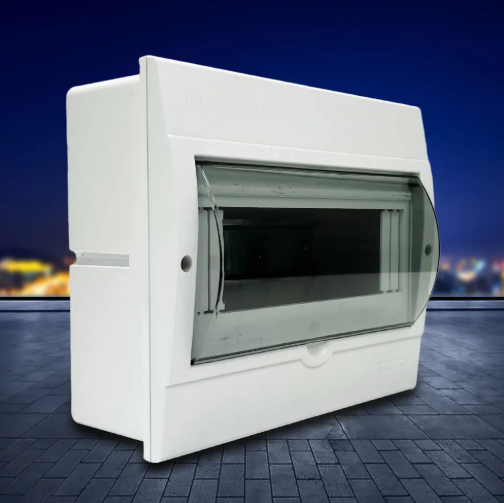
What a Light Pole Junction Box Actually Does
A light pole junction box is one of those components that nobody notices until something goes wrong. It sits at the base of the pole, or sometimes partway up, and serves as the connection point between the incoming power feed and the luminaire above. Inside, the box houses terminal blocks, fuses or circuit breakers, and often a photocell or smart control module. Its job is to protect those connections from water, dust, and physical damage while keeping them accessible for maintenance. When the box does its job, the streetlight works for years without attention. When it fails, the light goes dark, and a crew has to be dispatched to diagnose a problem that often traces back to moisture or corrosion inside the enclosure.
Why Galvanized Sheet Remains a Practical Choice
The enclosure material determines how well the box survives its environment. Galvanized sheet steel has been the default for decades, and there are solid reasons for that. The zinc coating provides sacrificial protection, meaning it corrodes before the steel underneath does. That extends service life even in coastal or industrial environments where salt and pollutants accelerate corrosion. Galvanized sheet is also strong, cost effective, and easy to fabricate into the shapes needed for pole mounting. The table below compares common enclosure materials.
| Material | Corrosion Resistance | Mechanical Strength | Relative Cost | Typical Service Environment |
|---|---|---|---|---|
| Galvanized sheet steel | Good to very good | High | Low to medium | General outdoor, coastal with coating |
| Stainless steel | Excellent | High | High | Severe coastal, chemical exposure |
| Powder coated steel | Good | High | Medium | Urban, moderate exposure |
| Aluminum | Good | Moderate | Medium | Lightweight installations |
| Fiberglass | Excellent | Moderate | Medium to high | Corrosive, non metallic required |
| ABS plastic | Fair | Low | Low | Sheltered, indoor, light duty |
The pattern is that galvanized sheet offers a strong balance of durability and cost for most street lighting applications, while stainless steel and fiberglass serve more specialized needs.
Protection Ratings and What They Mean in Practice
An enclosure rating tells you what the box can withstand. The IP rating system, defined by IEC 60529, uses two digits. The first digit indicates protection against solid objects and dust, and the second indicates protection against water. A rating of IP65 means dust tight and protected against water jets. IP66 adds protection against powerful water jets. IP67 allows brief immersion. For light pole junction boxes, IP65 or IP66 is generally the practical minimum, because the box faces rain, hose down during cleaning, and standing water at the pole base. A box with a lower rating may work in a sheltered location but will fail quickly in an exposed one. The gasket quality matters as much as the rating on the label. A degraded gasket turns an IP66 box into an unrated one within a couple of years.
Wiring Configuration and Maintenance Access
How the box is laid out inside affects how easy it is to service. A few design considerations matter for real world maintenance.
-
Terminal blocks should be positioned so wires can be landed without excessive bending.
-
Fuse or breaker access should not require removing the entire wiring harness.
-
The door or cover should open fully without being blocked by the pole or the ground.
-
Cable entry points should be sealed with proper glands, not just silicone.
-
Labels should remain legible after years of weather exposure.
A maintenance crew that can diagnose and repair a fault in ten minutes instead of an hour saves real money over the life of a lighting network. That is not a glamorous benefit, but it is the kind of thing that shows up in operating budgets year after year.
A Case Where Moisture Entry Caused Repeated Failures
A municipal lighting crew in a coastal city was dealing with recurring failures in a section of streetlights along a waterfront road. The lights would work after installation and then fail within a year or two. Inspection showed water inside the junction boxes, with corrosion on the terminal blocks and tripped breakers. The boxes were rated IP65, but the cable entry glands had not been properly tightened during installation, and the gaskets had degraded faster than expected due to salt air. The fix involved replacing the glands with a better sealed type, switching to a higher grade gasket material, and adding a small drainage path at the bottom of the box to prevent standing water. After those changes, the failure rate in that section dropped significantly. The lesson was not that IP65 boxes are inadequate. It was that the details around sealing and drainage determine whether the rating holds up in practice.
Where Junction Box Design Has Limits
No enclosure works forever without attention. Gaskets degrade, coatings eventually break down, and fasteners corrode. In highly corrosive environments, even galvanized sheet may need additional coating or a switch to stainless steel. Very high ambient temperatures can affect the performance of seals and internal components. Physical damage from vehicles, landscaping equipment, or vandalism is a real risk at pole bases. These are not reasons to avoid junction boxes. They are reasons to match the specification to the actual environment and to plan for periodic inspection. A box that is appropriate for a suburban park may be wrong for a coastal highway.
How Manufacturing Experience Supports Consistent Quality
A light pole junction box is a simple product, but consistency matters across a large installation. Variations in sheet thickness, coating quality, or gasket fit can produce failures that are hard to trace. Wenzhou Longwan Guoguang Electric Control Equipment Factory has been producing distribution boxes since 2000, specializing in galvanized sheet fabrication. Production follows ISO 9001 and Chinese GB standards, with a quality assurance system covering the full process. For buyers who need enclosures that hold up across thousands of installations, that long manufacturing history and standards based process control are what keep the product dependable.
Table of Contents
- What a Light Pole Junction Box Actually Does
- Why Galvanized Sheet Remains a Practical Choice
- Protection Ratings and What They Mean in Practice
- Wiring Configuration and Maintenance Access
- A Case Where Moisture Entry Caused Repeated Failures
- Where Junction Box Design Has Limits
- How Manufacturing Experience Supports Consistent Quality