 EN
EN

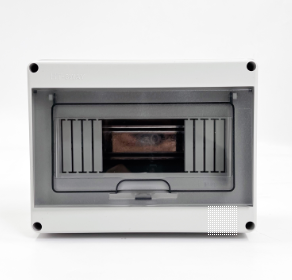
Why Junction Box Longevity Starts with Material Choice
A solar panel junction box is a small component with a big job. It collects the DC output from the panel strings, houses the bypass diodes, and provides the connection point for the home run cable. When it fails, the whole array can go offline. Most failures start with the enclosure. Plastic boxes can become brittle under years of UV exposure. Aluminum boxes resist UV but can corrode in salt air if the coating is poor. Galvanized sheet steel offers a strong alternative when the coating is applied correctly. The zinc layer sacrifices itself to protect the steel underneath. That is why enclosure material is not a cosmetic decision. It sets the baseline for how long the junction box can survive sun, rain, temperature swings, and mechanical stress. IEC 61215 and IEC 61730 cover module design and safety, and they include tests for junction box durability. A box that passes those tests has a better chance in the field.
Sealing and Ingress Protection in Harsh Weather
Water and dust are the top enemies of any outdoor electrical enclosure. A junction box must keep both out for decades. The IP rating tells the buyer how well the enclosure resists ingress. IP65 means dust tight and protected against water jets. IP67 adds temporary immersion. IP68 covers continuous immersion under specified conditions. The rating only holds if the gasket, cable glands, and lid screws are all correct. A common mistake is to use a high IP box with a low IP cable gland. Water finds the weakest point. Seal quality also depends on the gasket material. Silicone gaskets handle temperature extremes better than cheap rubber. The lid should compress the gasket evenly, which means the screw pattern and torque matter. Over tightening can warp the lid and break the seal. Under tightening leaves a gap. A torque driver and a consistent assembly process prevent both problems.
Thermal Management and Electrical Contact Stability
Heat is the slow killer of junction boxes. Bypass diodes generate heat when they activate. Poor ventilation or a dark enclosure can push internal temperatures well above ambient. That heat accelerates aging of plastics, gaskets, and solder joints. It also raises contact resistance, which creates more heat. A vicious cycle begins. Metal enclosures can help because they spread heat better than plastic. Galvanized steel has good thermal conductivity for a low cost material. The internal layout also matters. Diodes should have a path to the enclosure wall. Terminal blocks should be rated for the expected current with margin. Spring cages and screw terminals both work, but they need the right wire size and torque. A loose connection is a fire risk. IEC 60947 covers low voltage switchgear and control gear, and it offers useful guidance on terminal performance. Good thermal design is not about a single fix. It is about the whole path from diode to terminal to cable.
Installation Practices That Prevent Premature Failure
Even a well built junction box can fail if it is installed poorly. Several habits cause most field problems. 1. Mounting the box where water can pool around the glands. 2. Leaving cable loops that pull on the connectors. 3. Using the wrong cable diameter for the gland. 4. Skipping the torque check on terminal screws. 5. Damaging the gasket during lid installation. 6. Routing cables over sharp metal edges. A simple checklist prevents these issues. Mount the box with glands pointing down when possible. Support cables so the weight does not hang on the connector. Use the correct gland insert for the cable size. Torque terminals to the manufacturer specification. Inspect the gasket before closing the lid. Add a drip loop before the cable enters the box. These steps cost almost nothing and add years of service.
A Coastal Solar Farm Case Study
A solar farm on the coast of eastern China had a recurring problem. Junction boxes on several rows were failing after three to four years. The failures showed corrosion around the cable glands and cracked plastic housings. The site had high humidity, salt spray, and strong summer sun. A review found that the original boxes used a low grade gasket and a plastic that was not stabilized for UV. The replacement boxes used galvanized steel enclosures with silicone gaskets and nickel plated brass glands. The installer also changed the mounting angle so water could not sit around the glands. After five years, the replacement boxes showed no corrosion and no seal failures. The lesson is that the enclosure and the installation work together. A better box alone would have helped, but the mounting change made the real difference. This kind of field feedback is how enclosure design improves over time.
Working with Guoguang for Durable Enclosures
Guoguang, established in 2000, has specialized in distribution boxes and electrical control enclosures for more than twenty years. The factory focuses on galvanized sheet material and follows ISO 9001 and GB standards for production and testing. That experience matters for solar junction boxes because the same skills apply: accurate sheeting, clean bending, consistent coating, and tight quality control. The table below compares common enclosure materials for outdoor use.
| Material | UV Resistance | Corrosion Resistance | Thermal Conductivity | Relative Cost | Best Use |
|---|---|---|---|---|---|
| ABS plastic | Moderate | Good | Low | Low | Residential, mild climate |
| Polycarbonate | Good | Good | Low | Medium | General outdoor |
| Aluminum | High | Moderate in salt air | High | Medium to high | Coastal with coating |
| Galvanized steel | High | Good with intact zinc | Medium to high | Medium | Industrial, coastal |
| Stainless steel | High | Excellent | Medium | High | Severe environments |
Guoguang offers custom enclosure sizes, coating options, and assembly support. For solar projects that need a durable junction box, the right material and a disciplined production process make the difference. Guoguang works with clients to match the enclosure to the site conditions, from inland rooftops to coastal arrays. A junction box that lasts is not an accident. It is the result of good design, good materials, and good manufacturing.