 EN
EN

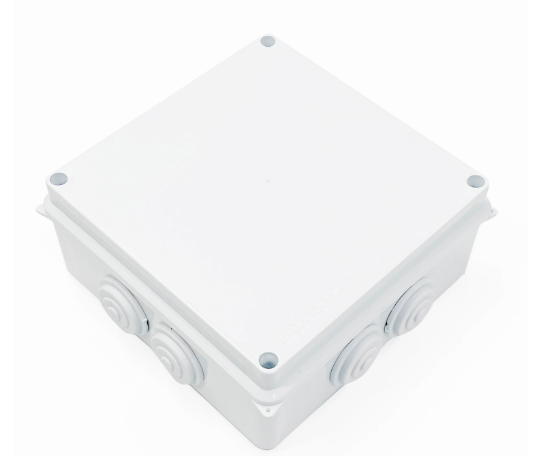
Why Junction Box Wiring Deserves a Careful Plan
A junction box is where circuits come together, and it is also where many electrical problems begin. Loose terminals, poor grounding, and crushed cables can create heat, voltage drop, or a shock hazard. The National Electrical Code sets rules for box fill, conductor support, and grounding, and those rules exist because field failures repeat in predictable ways. A careful plan starts with the circuit load, the wire size, and the environment. An indoor box in a dry room faces different risks than an outdoor box on a coastal roof. Humidity, salt, vibration, and temperature swings all affect the choice of enclosure, terminals, and glands. A plan that ignores these factors may pass inspection but fail in service. The goal is not just to make the connection work today. It is to keep it working for years.
Comparing Screw Terminals and Spring Clamp Connections
Two connection styles dominate junction box wiring: screw terminals and spring clamps. Screw terminals are familiar and easy to inspect. A torque driver can confirm the tightness, and a loose screw is visible. Spring clamps are faster to install and resist vibration better because they maintain constant pressure. The table below compares the two styles across key factors.
| Factor | Screw Terminal | Spring Clamp |
|---|---|---|
| Installation speed | Moderate | Fast |
| Vibration resistance | Lower unless torqued well | Higher |
| Inspection | Visual and torque check | Visual only |
| Wire range flexibility | Good with proper plate | Good |
| Risk of over tightening | Yes, can damage strands | Low |
| Risk of loosening | Yes, if not torqued | Low |
| Best use | General purpose, accessible | High vibration, tight space |
A screw terminal that is not torqued to specification can loosen over time. A spring clamp that is used with the wrong wire size may not grip properly. Neither style is perfect. The best choice depends on the environment, the wire type, and the skill of the installer. For stranded wire, a ferrule can improve contact and reduce strand damage. For solid wire, a clean strip and a firm push are usually enough.
Cable Glands and Strain Relief Done Right
A cable gland does more than hold the cable. It seals the entry point and provides strain relief so the terminals do not carry the cable weight. A common mistake is to choose a gland that is too large for the cable. The seal does not compress, and water finds a path. Another mistake is to skip the locknut or to tighten the gland before the cable is positioned. The result is a twisted cable and stressed conductors. Correct practice starts with the right gland size for the cable diameter. The gland body should thread fully into the enclosure. The seal should compress evenly around the jacket. The cable should have a drip loop before it enters the box, so water runs off instead of following the cable inside. Inside the box, the conductors should have a little slack, but not so much that they press against the lid or the terminals. A tidy layout makes future inspection easier and reduces the chance of a pinched wire.
Grounding and Bonding Practices That Prevent Shock
Grounding is the most important safety function in a junction box. The equipment grounding conductor must connect to the box and to any metal parts that could become energized. A bonded box gives fault current a low resistance path back to the source, which allows the overcurrent device to trip quickly. Poor bonding can leave a metal enclosure energized, which is a serious shock hazard. Several practices improve grounding reliability. 1. Remove paint or coating from the bonding point so metal to metal contact is clean. 2. Use a listed grounding clip or a dedicated grounding screw, not a sheet metal screw. 3. Keep the grounding conductor long enough to reach the terminal without strain. 4. Bond metal glands and metal lids when they are part of the enclosure. 5. Verify continuity with a meter after assembly. These steps are simple but often skipped. IEC 60947 and the National Electrical Code both stress the importance of a reliable ground path. A box that is not bonded is not safe, no matter how neat the wiring looks.
A Field Case from a Coastal Rooftop Installation
A solar installer working on a coastal rooftop project found a recurring problem. Several junction boxes failed inspection because the grounding continuity was inconsistent. The boxes were mounted on a steel frame near the ocean, and the air carried salt and moisture. The installer opened a few boxes and found two issues. First, the grounding screw was a sheet metal screw that had been painted over. Second, the cable glands were not bonded to the enclosure, so the metal gland was isolated. The fix was straightforward. The team replaced the sheet metal screws with listed grounding screws, cleaned the bonding points, and added bonding jumpers to the glands. They also switched to silicone gaskets and nickel plated glands for corrosion resistance. After the changes, continuity tests passed on every box, and no failures appeared in the following year. The lesson is that grounding and corrosion protection work together. A good connection in a bad environment will not last.
Working with Guoguang for Reliable Junction Boxes
Guoguang, established in 2000, has specialized in distribution boxes and electrical control enclosures for more than twenty years. The factory focuses on galvanized sheet material and follows ISO 9001 and GB standards for production and testing. That experience supports consistent sheeting, clean bending, and reliable coating, which matter for grounding continuity and long term corrosion resistance. Guoguang offers custom enclosure sizes and assembly support for projects that need a dependable junction box. For installers and buyers comparing wiring practices, the enclosure is only one part of the system. Terminals, glands, gaskets, and grounding hardware all play a role. Guoguang works with clients to match the box to the site conditions, from dry indoor rooms to wet coastal roofs. A junction box that stays safe and functional for years is the result of good design, good materials, and careful installation.