 EN
EN

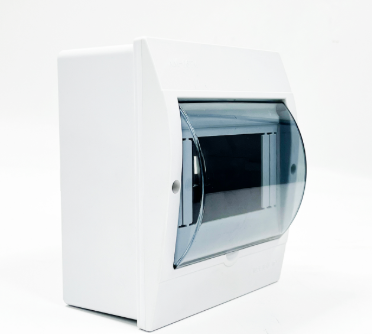
Costly field failures caused by poor junction box selection
Many engineering teams treat waterproof junction boxes as simple secondary components and tend to pick cheaper options to reduce material expenditure. One outdoor lighting upgrade project shows the negative outcome of this mindset. The project installed low‑cost junction boxes without verified sealing performance for park lighting circuits. After the first rainy season, rainwater and moist air got inside multiple enclosures. Several lighting loops developed intermittent short‑circuit faults. Technicians spent extra hours locating hidden faults and replacing damaged boxes. The project bore unexpected maintenance labor cost and complaints from property management teams. Many people overlook that junction boxes guard critical cable connection points. Poor selection creates avoidable downtime and extra financial pressure for construction and facility‑management projects.
Key technical indicators that define real‑world waterproof performance
True waterproof capacity depends on multiple coordinated technical features rather than outer shell appearance. The widely‑accepted IEC 60529 standard defines IP protection codes for electrical enclosures. Different IP levels fit distinct working scenarios. IP54 offers basic splash and dust protection for semi‑outdoor sheltered locations. IP65 handles heavy rain and water spray for fully exposed outdoor installations. IP67 supports short‑time submersion for underground or temporary water contact conditions. Housing material also plays a major role. Galvanized steel delivers solid mechanical strength for general‑purpose sites, while high‑grade plastic brings good insulation performance. Even with high‑grade housing material, aged or poorly fitted rubber gaskets will break sealing performance. Cable entry glands deserve equal attention. Loose or mismatched cable openings become common leakage points no matter how solid the main box body looks.
Environment factors that influence long‑term service life
A junction box with satisfactory lab IP rating can still break down quickly under harsh real‑world operating environments. Coastal projects face continuous salt‑spray corrosion that slowly eats away metal surfaces and degrades rubber sealing parts. Underground locations struggle with persistent humidity and ground moisture. Industrial sites carry heavy dust accumulation and large temperature swings between summer and winter. UV radiation from direct sunlight speeds up plastic and gasket aging. Buyers need to look beyond printed IP figures and evaluate complete environmental resistance. Internal usable space should leave enough room for wiring terminals without squeezing cable insulation. Over‑crowded internal layout creates heat buildup and places extra stress on sealing structures.
Industry standards and expert advice for junction box procurement
Electrical engineering specialists keep reminding procurement teams not to fully trust printed marking on product surfaces. IEC 60529 sets strict testing procedures for enclosure protection performance. Qualified waterproof junction boxes must pass complete dust and water exposure tests operated by independent third‑party laboratories. Many low‑cost items print attractive IP numbers on casing but skip formal verification. Such products may perform well in dry warehouse conditions yet lose sealing capability once facing real rain or spray. Valid test reports serve as objective proof of real‑world performance. Marketing slogans cannot replace standardized lab assessment for engineering‑grade electrical hardware.
Practical selection tips for contractors and project buyers
Contractors and project purchasers can follow straightforward practical rules during waterproof junction box sourcing. Match IP rating and housing material strictly against actual site operating conditions instead of simply choosing the highest available IP value. Sheltered corridor lighting does not require the same rating as fully exposed coastal facilities. Carefully check gasket quality and supporting cable gland accessories when reviewing samples before large‑volume orders. Confirm inner dimension satisfies terminal assembly needs. Run simple visual and structural sample checks. Balance unit price against long‑term maintenance risk. Small extra investment for properly‑specified boxes prevents expensive on‑site troubleshooting after project handover.
Manufacturing capability for reliable electrical enclosures
Well‑performing waterproof junction boxes and distribution hardware rely on accumulated manufacturing know‑how and strict quality management systems. Gooant holds more than 30 years of specialized experience producing various distribution boxes and electrical enclosures. Its product portfolio covers over two thousand different specifications for diverse application scenarios. Supported by complete in‑house production equipment and multi‑stage quality inspection procedures, the factory delivers stable enclosures for residential, hotel, office building and industrial plant projects. Flexible OEM and ODM services help global engineering partners get enclosure solutions matched to unique site requirements.
Table of Contents
- Costly field failures caused by poor junction box selection
- Key technical indicators that define real‑world waterproof performance
- Environment factors that influence long‑term service life
- Industry standards and expert advice for junction box procurement
- Practical selection tips for contractors and project buyers
- Manufacturing capability for reliable electrical enclosures