 EN
EN

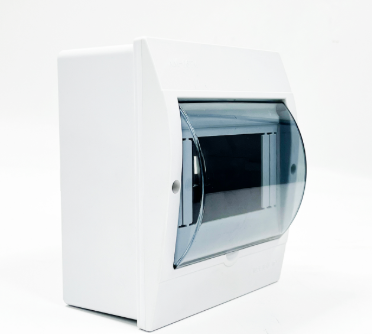
Real‑world project setbacks with poorly‑selected outdoor junction boxes
Many engineering teams underestimate how harsh open‑air environments can impact ordinary electrical hardware. One municipal park lighting renovation project demonstrates the negative consequences of casual component selection. The project purchased budget‑priced outdoor junction boxes without complete anti‑corrosion and long‑term sealing evaluation. Located near coastal zones, the site carried persistent salt‑heavy humid air together with heavy seasonal rainfall. Within one year, rubber gaskets started to degrade. Moisture penetrated multiple box units and triggered repeated short‑circuit faults across lighting loops. Maintenance crews needed regular site visits to locate hidden faults and replace damaged hardware. Unplanned repair work created extra labour expense and disrupted public lighting service. Outdoor junction boxes serve as critical protective nodes for cable connections. Cutting corners on these enclosures brings tangible operational risks for public and private projects alike.
Core technical features for reliable outdoor junction box performance
Trusted outdoor junction box solutions rely on coordinated technical details instead of simple outer‑shell appearance. The widely accepted IEC 60529 standard defines IP ingress protection codes for electrical enclosures. Most exposed outdoor installations require minimum IP65 rating to resist heavy rain and flying dust. Housing material forms another decisive factor. Galvanized steel delivers solid mechanical impact resistance for public infrastructure projects, while high‑grade modified engineering plastic offers good insulation and anti‑rust performance for moderate‑corrosion locations. High‑quality rubber gaskets and matched cable glands deserve close attention. Even robust housing will lose protective capability if sealing accessories age or fit loosely. Practical outdoor designs also consider internal wiring clearance and basic anti‑condensation arrangements. Crowded internal layout accelerates heat and moisture accumulation and speeds up component failure.
Diverse real‑world application scenarios and customized requirements
Different outdoor working conditions create completely distinct demands for junction box hardware. Municipal park and street lighting projects focus on anti‑dust and rain‑proof performance with convenient pole‑mount installation options. Coastal project sites face continuous salt‑spray erosion that calls for upgraded anti‑corrosion material treatment. Factory perimeter wiring deals with heavy industrial dust and large temperature swings between summer and winter. Residential outdoor power points require compact wall‑mounted units that fit household exterior decoration styles. UV radiation from direct sunlight slowly degrades plastic shells and rubber sealing parts. Project planners need to evaluate local environmental stress factors before confirming material specifications. One single universal enclosure design rarely satisfies every outdoor working condition.
Industry standards and expert recommendations for outdoor enclosure sourcing
Low‑voltage electrical engineering specialists keep reminding procurement teams not to trust printed IP labels without supporting documentation. IEC 60529 sets strict test procedures for dust and water ingress performance. Genuine outdoor‑grade junction boxes need to pass complete third‑party laboratory evaluation under simulated environmental stress. Many low‑cost items print attractive IP figures on casing yet skip formal testing. Such products may look functional under warehouse conditions but fail quickly once deployed in real open‑air sites. Marketing descriptions cannot replace objective lab test data. Buyers should treat valid test reports as essential proof of real‑world enclosure reliability for outdoor projects.
Practical procurement guidance for engineering contractors
Engineering contractors can follow clear practical principles while sourcing outdoor junction boxes. Always match housing material and IP protection grade to actual local site conditions rather than blindly choosing the highest available rating. Request physical sample inspection before approving large‑volume orders. Pay special attention to gasket elasticity and cable gland structural quality. Confirm internal dimensions leave adequate room for terminal assembly and cable routing. Balance unit purchasing cost against expected long‑term maintenance expenditure. Slightly higher initial investment on properly‑specified enclosures can prevent costly emergency repair work after project handover.
Manufacturing expertise behind qualified outdoor electrical enclosures
Well‑performing outdoor junction boxes and supporting distribution hardware require accumulated manufacturing know‑how and strict quality management systems. Gooant holds more than 30 years of specialized experience producing distribution boxes and electrical enclosures, offering more than two thousand different product specifications. Equipped with complete in‑house production machinery and multi‑stage internal inspection workflows, the factory delivers stable enclosure products for municipal, hotel, residential and industrial plant projects. Flexible OEM and ODM cooperation options help global engineering partners obtain enclosure solutions tailored to unique outdoor project requirements.
Table of Contents
- Real‑world project setbacks with poorly‑selected outdoor junction boxes
- Core technical features for reliable outdoor junction box performance
- Diverse real‑world application scenarios and customized requirements
- Industry standards and expert recommendations for outdoor enclosure sourcing
- Practical procurement guidance for engineering contractors
- Manufacturing expertise behind qualified outdoor electrical enclosures