EN
EN

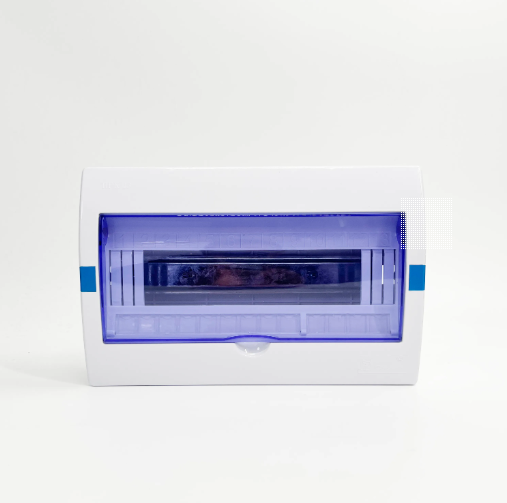
Understanding Why Electrical Enclosures Fail Before Their Time
I once walked into a textile spinning mill where operators had complained about a burning smell for two days. Production was still running, so nobody wanted to stop the line. When I finally opened the main electrical cabinet, we found that a nest of cotton fiber had piled up against a contactor terminal and was already charring. That incident was seconds away from becoming an open flame inside a facility filled with flammable material. The culprit was not a defective breaker or a design flaw. It was simply that nobody had opened that enclosure for over fourteen months to perform basic industrial electrical enclosure maintenance. The cabinets we rely on to protect circuit breakers, drives, and PLCs only do their job when we take care of them. Skipping enclosure care is like refusing to change the oil in an engine and then being surprised when it seizes on the highway.
The Daily Walk Around Inspection That Prevents Major Headaches
Effective cabinet upkeep begins with your senses before you even touch a screwdriver. I encourage maintenance teams to spend the first ten minutes of every shift walking the production floor and looking at the outside of every enclosure. A door that no longer closes flush against its frame, a small rust stain dripping from a bottom corner, or a slight buzzing sound that has changed in pitch are all early distress signals. Once a month, opening the enclosure and running a thermal camera across the terminals and busbars is even more revealing. A connection that appears perfectly tight to the naked eye will glow bright on an infrared image if its resistance is creeping up. Catching that loose lug at this stage means ten minutes with a torque wrench instead of an emergency shutdown at two in the morning. Simple visual and thermal discipline catches the majority of electrical housing issues before they become production stoppers.
Gasket Care and the Battle Against Ingress Protection Decay
The IP rating stamped on every protective enclosure, defined by the international standard IEC 60529, is only as strong as the rubber gasket that seals the door. In hot factories and cold outdoor installations, that gasket goes through a daily cycle of expansion and contraction. Eventually it loses its pliability and takes a permanent compression set, leaving microscopic air gaps that invite moisture and dust. A remarkably effective trick I learned from a senior panel builder is to wipe the gasket clean and apply a thin coat of silicone grease twice a year. The grease feeds the rubber, restores its spring, and improves the seal against the enclosure body. Without this simple step, water inevitably finds its way inside, corroding copper busbars, causing nuisance earth leakage trips, and eventually eating through the metalwork that keeps live parts isolated from operators.
Controlling Internal Climate with Heaters and Ventilation Filters
Heat ages insulation exponentially. The widely accepted guideline embedded in the IEC 61439 standard for low-voltage switchgear is that a sustained temperature rise of just ten degrees Celsius above the rated limit can cut the expected life of electronic components in half. That is why air filters on forced ventilation enclosures cannot be treated as a once-a-year afterthought. I suggest taping a light ribbon near the fan outlet. If that ribbon hangs limp, the filter is choked with fine dust, airflow has collapsed, and the temperature inside is climbing silently. Meanwhile, for outdoor cabinets subjected to rapid temperature drops, a small thermostat-controlled anti-condensation heater does more to protect sensitive relays than any surge suppressor. It keeps the internal air just warm enough to stay above the dew point, preventing the silent film of moisture that causes contacts to oxidize and logic circuits to drift.
Corrosion Protection Strategies for Aggressive Industrial Settings
Some environments wage chemical warfare on electrical housings. I remember inspecting a wastewater treatment plant less than two kilometers from the ocean. The site had installed standard painted steel enclosures just two years earlier, yet several units already showed red bloom around the seams and screw holes. Once the outer skin rusted through, salt-laden mist coated everything inside, and the maintenance crew was dealing with weekly ground fault alarms. The fix required replacing those cabinets with enclosures fabricated from marine-grade stainless steel and treated with a multi-stage powder coating. It also meant specifying sealed cable entry glands and designing door overhangs that shed water away from the gasket instead of letting it pool. Manufacturers who operate in coastal industrial zones often incorporate these protections as standard because they understand firsthand how aggressive humid and saline air can be.
Turning Maintenance Logs into Long Term Operational Savings
Industrial electrical enclosure maintenance stops being a burden once it becomes a documented program rather than a panic reaction. Assigning a criticality level to each cabinet lets you set inspection intervals that match the cost of failure. A feeder pillar serving a warehouse corner can be checked quarterly, while a cabinet controlling a continuous batch mixer might deserve weekly thermal scans and filter reviews. Recording those readings over time reveals trends that let you order spare parts during planned windows instead of after a midnight breakdown. This is where the choice of manufacturing partner pays dividends. Wenzhou Guoguang builds its enclosure solutions with exactly this kind of long service life in mind. Their facilities combine precision sheet metal fabrication, surface treatment, and final assembly under one roof, ensuring that every cabinet delivers consistent IP performance, heavy-duty hinges that stay aligned, and easily replaceable gland plates. When maintenance teams know they can get a perfectly matched replacement enclosure delivered on schedule, they can plan their upkeep with confidence, turning a reactive cost center into a predictable part of operational excellence.
Table of Contents
- Understanding Why Electrical Enclosures Fail Before Their Time
- The Daily Walk Around Inspection That Prevents Major Headaches
- Gasket Care and the Battle Against Ingress Protection Decay
- Controlling Internal Climate with Heaters and Ventilation Filters
- Corrosion Protection Strategies for Aggressive Industrial Settings
- Turning Maintenance Logs into Long Term Operational Savings